Reducing Wrinkles with Microneedling for Wrinkles

Wrinkles are a natural part of aging, but many seek effective ways to reduce their appearance and maintain youthful skin. One increasingly popular treatment is microneedling, a minimally invasive procedure that stimulates the skin’s natural healing process. This blog post explores how microneedling can help reduce wrinkles, what to expect from the treatment, and practical tips for achieving the best results.
Understanding Microneedling for Wrinkles
Microneedling involves using a device equipped with tiny needles to create controlled micro-injuries on the skin’s surface. These small punctures trigger the body’s wound healing response, leading to increased collagen and elastin production. Collagen and elastin are essential proteins that keep skin firm, smooth, and elastic.
This treatment is especially beneficial for reducing fine lines and wrinkles because it promotes skin regeneration from within. Unlike topical creams that only affect the surface, microneedling works deeper in the skin layers, encouraging long-term improvements in texture and tone.
How Microneedling Works
Micro-injuries: The needles create tiny punctures that are barely visible but enough to stimulate healing.
Collagen induction: The skin responds by producing new collagen and elastin fibers.
Skin remodeling: Over time, the skin becomes thicker, firmer, and smoother, reducing the appearance of wrinkles.
Microneedling can be performed using various tools, including dermarollers and automated pens. The depth of needle penetration can be adjusted depending on the treatment area and skin condition.

Benefits of Microneedling for Wrinkles
Microneedling offers several advantages over other wrinkle reduction methods:
Minimally invasive: It does not require surgery or extensive downtime.
Suitable for all skin types: Unlike some laser treatments, microneedling is safe for darker skin tones.
Improves multiple skin concerns: Besides wrinkles, it can reduce acne scars, hyperpigmentation, and uneven texture.
Enhances product absorption: After treatment, the skin better absorbs serums and moisturizers, boosting their effectiveness.
Many people notice visible improvements after just a few sessions. However, optimal results usually require a series of treatments spaced several weeks apart.
Does Microneedling Actually Work for Wrinkles?
Scientific studies and clinical trials support the effectiveness of microneedling in reducing wrinkles. Research shows that repeated treatments increase collagen density and improve skin elasticity, which directly contributes to wrinkle reduction.
For example, a study published in the Journal of Cutaneous and Aesthetic Surgery found that patients experienced significant improvement in fine lines and skin texture after microneedling sessions. The procedure also showed fewer side effects compared to more aggressive treatments like chemical peels or laser resurfacing.
What to Expect During Treatment
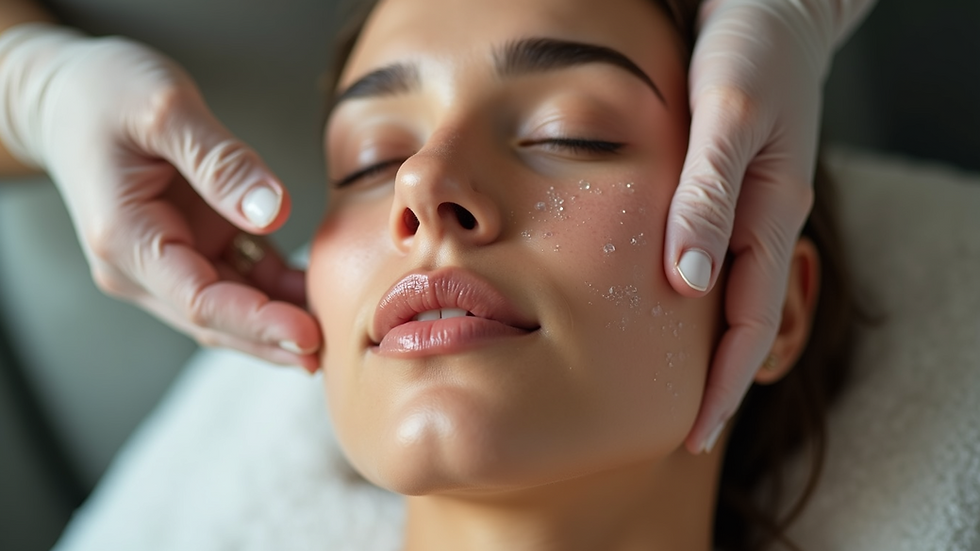
Preparation: The skin is cleansed, and a numbing cream may be applied to minimize discomfort.
Procedure: The microneedling device is gently rolled or stamped over the treatment area.
Post-care: Redness and mild swelling are common but usually subside within a few days.
It is important to follow aftercare instructions carefully to avoid infection and maximize healing. Avoid sun exposure and use gentle skincare products during recovery.

Tips for Maximizing Microneedling Results
To get the best outcomes from microneedling, consider these practical recommendations:
Choose a qualified professional: Ensure your treatment is performed by a licensed dermatologist or trained aesthetician.
Maintain a consistent schedule: Follow the recommended number of sessions, usually 3 to 6, spaced 4 to 6 weeks apart.
Use supportive skincare: Incorporate serums with hyaluronic acid, vitamin C, and peptides to enhance collagen production.
Protect your skin: Apply broad-spectrum sunscreen daily to prevent further damage and pigmentation.
Stay hydrated and eat well: Proper nutrition supports skin repair and overall health.
By combining microneedling with a healthy skincare routine, you can achieve smoother, younger-looking skin over time.
Exploring Alternatives and Complementary Treatments
While microneedling is effective, some people may benefit from combining it with other treatments for enhanced wrinkle reduction:
Chemical peels: Help exfoliate dead skin cells and improve skin tone.
Laser therapy: Targets deeper wrinkles and pigmentation issues.
Botox and fillers: Provide immediate wrinkle smoothing and volume restoration.
Topical retinoids: Stimulate collagen production and improve skin texture.
Discuss your goals with a skincare professional to create a personalized treatment plan that suits your skin type and concerns.
Embracing Youthful Skin with Microneedling
Microneedling is a promising option for those looking to reduce wrinkles without invasive surgery. By stimulating the skin’s natural healing process, it promotes collagen growth and skin renewal, leading to a more youthful appearance. If you want to explore this treatment, consider consulting a licensed provider to discuss your options and develop a safe, effective plan.
For more detailed information on microneedling for wrinkles, visit the linked resource to learn about the latest techniques and patient experiences.
With patience and proper care, microneedling can be a valuable tool in your skincare arsenal to combat the signs of aging and reveal smoother, firmer skin.



Comments